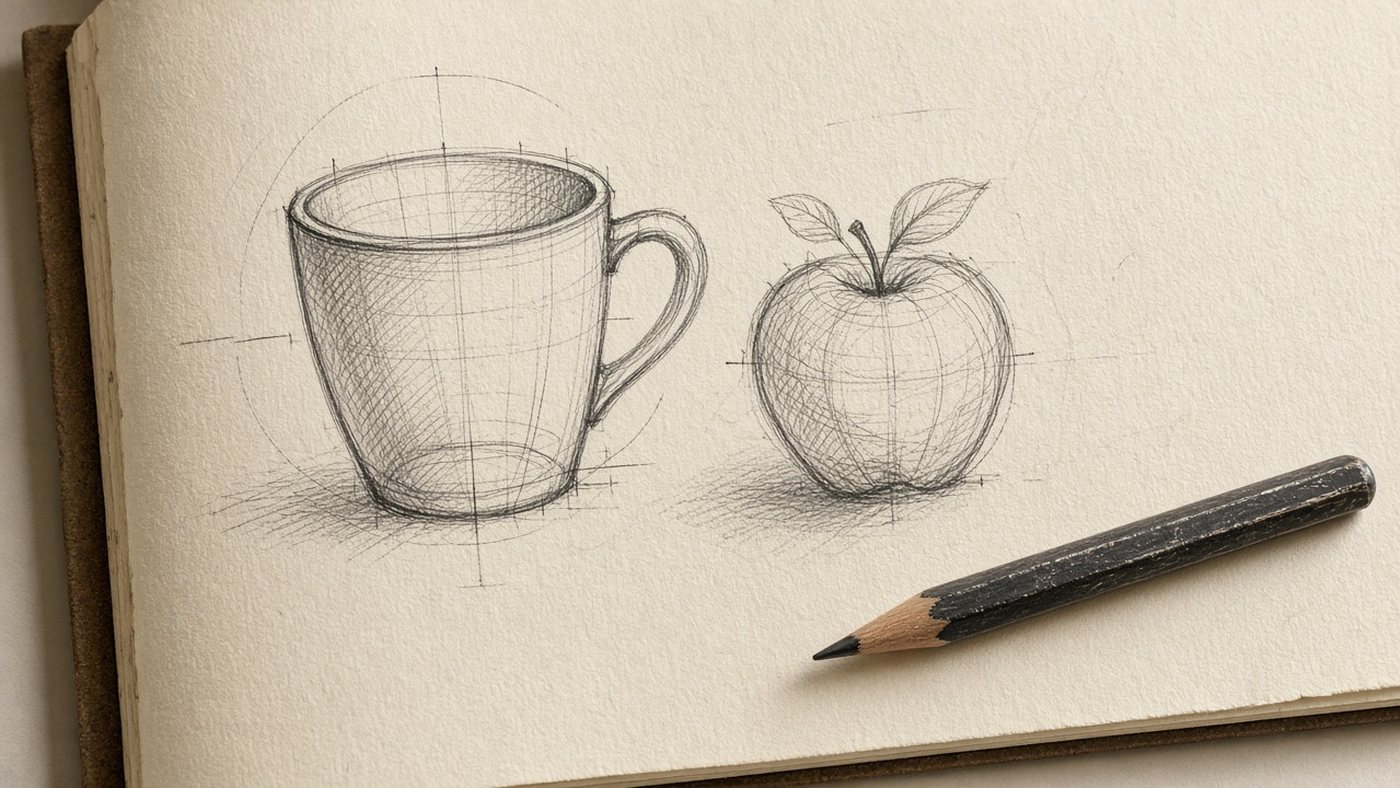
Why beginners should enter
A contest is an outside deadline and a ready theme. For a beginner it is often the only way to finish a piece instead of endlessly fixing eyes. Winning is optional: a completed sheet in the portfolio is already a result.
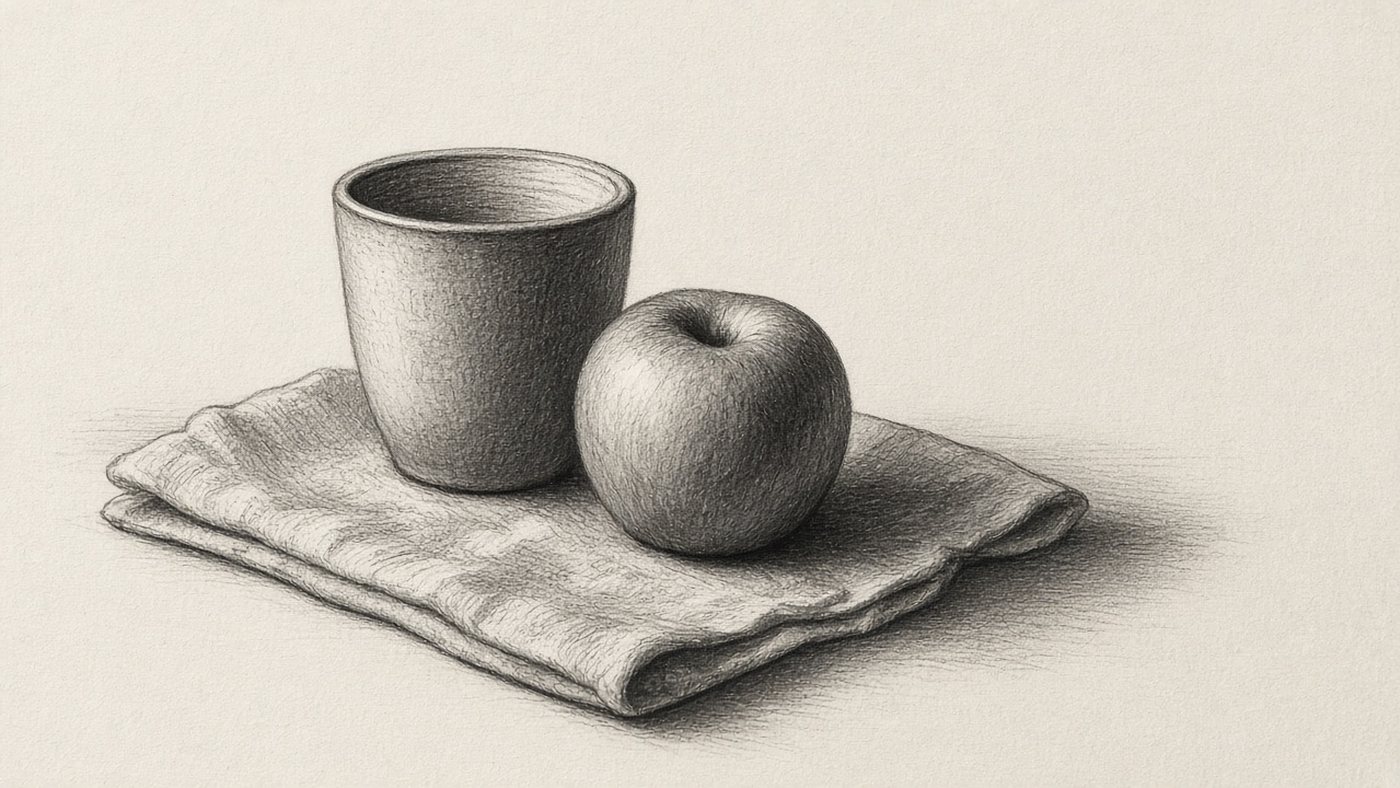
A finished piece
Without a deadline, "almost done" stretches for months. A contest cuts polish: you submit what you have. You learn to release work—a skill you need outside competitions too.
A theme outside your comfort zone
The organizer sets "cyberpunk market" or "winter forest"—you leave familiar characters and try a new setting. One contest a quarter is enough to widen your visual library without burnout.
Which competitions to pick
Not every competition helps a beginner equally. Global pro contests demotivate through comparison; local and themed ones with a beginner label tend to support.
With a beginner level
- hashtag challenges without a harsh jury—low stress;
- local "open call" shows with clear file rules;
- platform challenges with a student category;
- skip contests whose rules only say "best art" with no levels.
Short deadline 1–2 weeks
A month-long marathon for a full illustration is heavy if you draw alongside a job. One to two weeks for sketch plus finish is more realistic. Lock the dates on a calendar with buffer—see below.
Prep without panic
Panic starts when you "have not started" and three days remain. A day-by-day plan removes crunch and protects sleep.
A plan for each day
- Days 1–2: thumbnails, pick the idea, references (rules from drawing from reference).
- Days 3–5: structure and main value or color.
- Days 6–7: detail, type if needed, export.
- Buffer: one day for fixes and technical requirements only.
20% time buffer
If you think you will finish "the last evening," add 20% for upload site crashes, illness, life. Better to submit a day early than not at all.
Tip
Enter in "gentle mode": the goal is a finished piece, not top 10. One contest a month like that beats a heroic push twice a year followed by not drawing at all.
If you didn't win
Most entrants do not make the short list—that is statistics, not a verdict on skill. What matters is what you do with the piece after results drop.
Work in your portfolio
Polish to "I would show a client": crop contest watermarks, add to a series. Contest work is often stronger than random sketches because it was finished.
Debrief without self-flagellation
Compare your piece to winners on points: composition, readability, color—not "I am worse as a person." Write one lesson for the next drawing. If needed, ask for feedback from an artist friend or a chat.
When to skip
Entering every contest in a row leads to burnout. Skipping is also a strategy.
Already burned out
If drawing feels like debt, a deadline only makes it worse. Return to short practice without competition—for example the 30-day plan or the learn online from scratch route—and try a challenge again later.
No 5 hours a week
Less than five hours for the whole contest cycle risks a miss and hating the theme. Wait for the next round or a one-day sketch contest instead of night sessions.
Time to draw, not just read
Theory fades in a couple of days if you never use it. Open the editor and spend 15 minutes on what you just read. That is enough for the skill to stick.
Try it now
A free online editor: brushes, layers, a palette, and a shared canvas. No install and no sign-up.
Start drawingTopics in this guide
- art competitions
- art challenge
- drawing contest
- drawing deadline
- entering an art contest
← Finding a Drawing Mentor: Without Guru Myths Studying Master Artworks: Learn the Decisions, Not the Look →