When Transfer Makes Sense
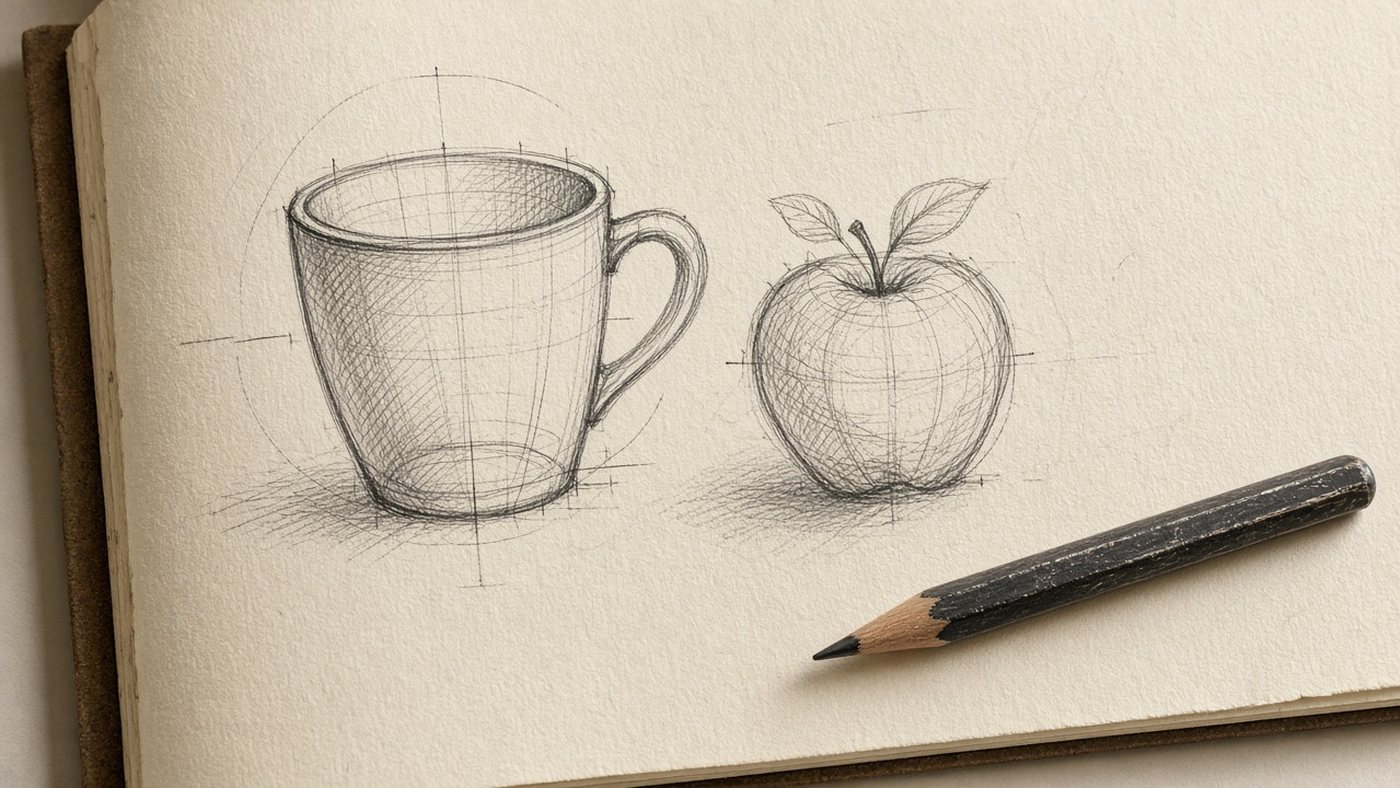
Transfer is a scale and placement tool, not a substitute for seeing. Use it when you already solved the problem small and need it big—or when composition needs careful repositioning.
Your Sketch → Large Format
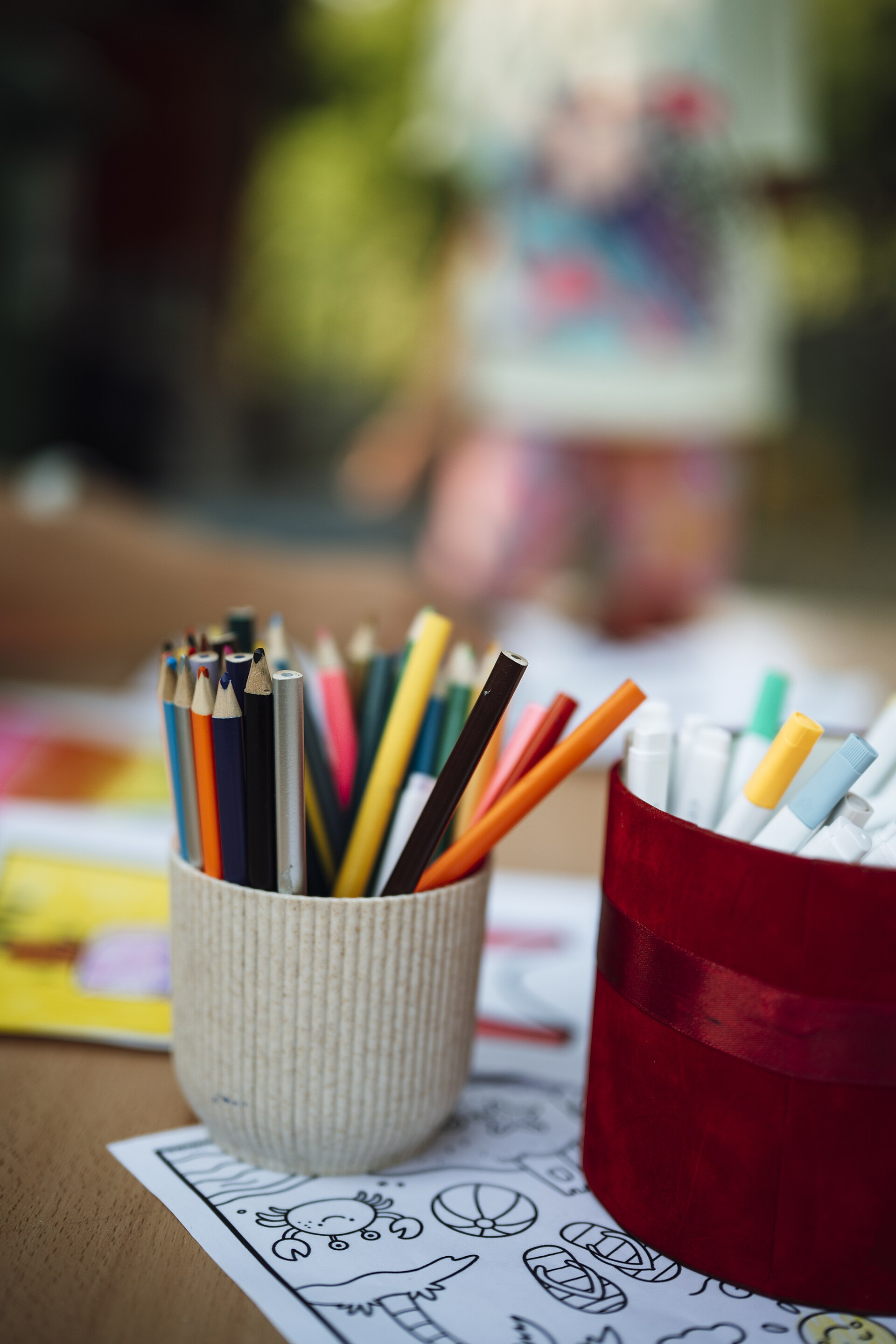
Thumbnail on an index card, final on poster board: grid keeps proportions while you redraw with fuller strokes.
Teaching your sketch → large format inside "When Transfer Makes Sense" only sticks when the student names the goal out loud. I ask for one sentence before the pencil moves: what should look different on the page in ten minutes? Without that, when transfer makes sense turns into doodling.
A checkpoint I use for your sketch → large format: daylight photo, zoom to one quarter of the sheet, compare to yesterday. If nothing moved, the issue is almost never talent—it is usually pressure, angle, or skipping the warm-up tied to when transfer makes sense.
When your sketch → large format feels stuck, shrink the task and lengthen the setup. Smaller format, two extra minutes of shoulder lines, same subject. Students who try to "power through" when transfer makes sense on a tired hand reinforce shake instead of fixing it.
Last month a student improved your sketch → large format by logging a single number after each session—line quality one to five. The drawings were not pretty for two weeks, but the curve climbed because when transfer makes sense stopped being a vague complaint and became a metric.
Composition on a Small Sheet
When moving elements would erase hours of work, transfer key points and redraw fresh hatch on the final.
Teaching composition on a small sheet inside "When Transfer Makes Sense" only sticks when the student names the goal out loud. I ask for one sentence before the pencil moves: what should look different on the page in ten minutes? Without that, when transfer makes sense turns into doodling.
A checkpoint I use for composition on a small sheet: daylight photo, zoom to one quarter of the sheet, compare to yesterday. If nothing moved, the issue is almost never talent—it is usually pressure, angle, or skipping the warm-up tied to when transfer makes sense.
When composition on a small sheet feels stuck, shrink the task and lengthen the setup. Smaller format, two extra minutes of shoulder lines, same subject. Students who try to "power through" when transfer makes sense on a tired hand reinforce shake instead of fixing it.
Last month a student improved composition on a small sheet by logging a single number after each session—line quality one to five. The drawings were not pretty for two weeks, but the curve climbed because when transfer makes sense stopped being a vague complaint and became a metric.
When to Redraw From Scratch
If the sketch is wrong in proportion or perspective, enlarging mistakes wastes time. Fix small or start clean with measurement from proportions in drawing.
Teaching when to redraw from scratch inside "When Transfer Makes Sense" only sticks when the student names the goal out loud. I ask for one sentence before the pencil moves: what should look different on the page in ten minutes? Without that, when transfer makes sense turns into doodling.
A checkpoint I use for when to redraw from scratch: daylight photo, zoom to one quarter of the sheet, compare to yesterday. If nothing moved, the issue is almost never talent—it is usually pressure, angle, or skipping the warm-up tied to when transfer makes sense.
When when to redraw from scratch feels stuck, shrink the task and lengthen the setup. Smaller format, two extra minutes of shoulder lines, same subject. Students who try to "power through" when transfer makes sense on a tired hand reinforce shake instead of fixing it.
Last month a student improved when to redraw from scratch by logging a single number after each session—line quality one to five. The drawings were not pretty for two weeks, but the curve climbed because when transfer makes sense stopped being a vague complaint and became a metric.
Grid Method on Paper
Grids turn a visual ratio problem into counting squares—a skill that still trains your eye if you do the counting yourself.
1:1 and 1:2 Steps
Same-size grid for tracing refinement; double grid for posters. Write the ratio on both sheets so you do not mix them mid-project.
Teaching 1:1 and 1:2 steps inside "Grid Method on Paper" only sticks when the student names the goal out loud. I ask for one sentence before the pencil moves: what should look different on the page in ten minutes? Without that, grid method on paper turns into doodling.
A checkpoint I use for 1:1 and 1:2 steps: daylight photo, zoom to one quarter of the sheet, compare to yesterday. If nothing moved, the issue is almost never talent—it is usually pressure, angle, or skipping the warm-up tied to grid method on paper.
When 1:1 and 1:2 steps feels stuck, shrink the task and lengthen the setup. Smaller format, two extra minutes of shoulder lines, same subject. Students who try to "power through" grid method on paper on a tired hand reinforce shake instead of fixing it.
Last month a student improved 1:1 and 1:2 steps by logging a single number after each session—line quality one to five. The drawings were not pretty for two weeks, but the curve climbed because grid method on paper stopped being a vague complaint and became a metric.
Corners and Key Points Only
Transfer intersections: eye outer corner, mouth corner, building eave. Do not copy every cell's internal noise.
Teaching corners and key points only inside "Grid Method on Paper" only sticks when the student names the goal out loud. I ask for one sentence before the pencil moves: what should look different on the page in ten minutes? Without that, grid method on paper turns into doodling.
A checkpoint I use for corners and key points only: daylight photo, zoom to one quarter of the sheet, compare to yesterday. If nothing moved, the issue is almost never talent—it is usually pressure, angle, or skipping the warm-up tied to grid method on paper.
When corners and key points only feels stuck, shrink the task and lengthen the setup. Smaller format, two extra minutes of shoulder lines, same subject. Students who try to "power through" grid method on paper on a tired hand reinforce shake instead of fixing it.
Last month a student improved corners and key points only by logging a single number after each session—line quality one to five. The drawings were not pretty for two weeks, but the curve climbed because grid method on paper stopped being a vague complaint and became a metric.
Do Not Transfer Hatch
Shading copied cell by cell kills freshness. Light structure only; value comes from observation on the large sheet.
Grid drawing culture is expanded in grid drawing—same ethics, more examples.
Teaching do not transfer hatch inside "Grid Method on Paper" only sticks when the student names the goal out loud. I ask for one sentence before the pencil moves: what should look different on the page in ten minutes? Without that, grid method on paper turns into doodling.
A checkpoint I use for do not transfer hatch: daylight photo, zoom to one quarter of the sheet, compare to yesterday. If nothing moved, the issue is almost never talent—it is usually pressure, angle, or skipping the warm-up tied to grid method on paper.
When do not transfer hatch feels stuck, shrink the task and lengthen the setup. Smaller format, two extra minutes of shoulder lines, same subject. Students who try to "power through" grid method on paper on a tired hand reinforce shake instead of fixing it.
Last month a student improved do not transfer hatch by logging a single number after each session—line quality one to five. The drawings were not pretty for two weeks, but the curve climbed because grid method on paper stopped being a vague complaint and became a metric.
- Draw matching grids on sketch and final.
- Plot corners and center lines per cell.
- Connect points with light HB strokes.
- Shade on the final from the live subject or reference.
Window, Light, and Tracing Paper
Before lightboxes, windows worked. Still do, with caveats.
Daylight vs Monitor
Daylight through paper is even. Backlighting a monitor works in a pinch but tempts you to trace raster noise—turn contrast down.
Teaching daylight vs monitor inside "Window, Light, and Tracing Paper" only sticks when the student names the goal out loud. I ask for one sentence before the pencil moves: what should look different on the page in ten minutes? Without that, window, light, and tracing paper turns into doodling.
A checkpoint I use for daylight vs monitor: daylight photo, zoom to one quarter of the sheet, compare to yesterday. If nothing moved, the issue is almost never talent—it is usually pressure, angle, or skipping the warm-up tied to window, light, and tracing paper.
When daylight vs monitor feels stuck, shrink the task and lengthen the setup. Smaller format, two extra minutes of shoulder lines, same subject. Students who try to "power through" window, light, and tracing paper on a tired hand reinforce shake instead of fixing it.
Last month a student improved daylight vs monitor by logging a single number after each session—line quality one to five. The drawings were not pretty for two weeks, but the curve climbed because window, light, and tracing paper stopped being a vague complaint and became a metric.
Paper Thickness
Heavy watercolor paper barely shows through; use lighter layout paper for transfer, then redraw on final stock.
Teaching paper thickness inside "Window, Light, and Tracing Paper" only sticks when the student names the goal out loud. I ask for one sentence before the pencil moves: what should look different on the page in ten minutes? Without that, window, light, and tracing paper turns into doodling.
A checkpoint I use for paper thickness: daylight photo, zoom to one quarter of the sheet, compare to yesterday. If nothing moved, the issue is almost never talent—it is usually pressure, angle, or skipping the warm-up tied to window, light, and tracing paper.
When paper thickness feels stuck, shrink the task and lengthen the setup. Smaller format, two extra minutes of shoulder lines, same subject. Students who try to "power through" window, light, and tracing paper on a tired hand reinforce shake instead of fixing it.
Last month a student improved paper thickness by logging a single number after each session—line quality one to five. The drawings were not pretty for two weeks, but the curve climbed because window, light, and tracing paper stopped being a vague complaint and became a metric.
Scale Mistakes
Tape edges so the top sheet cannot creep. One millimeter drift per inch becomes inches over two feet.
Teaching scale mistakes inside "Window, Light, and Tracing Paper" only sticks when the student names the goal out loud. I ask for one sentence before the pencil moves: what should look different on the page in ten minutes? Without that, window, light, and tracing paper turns into doodling.
A checkpoint I use for scale mistakes: daylight photo, zoom to one quarter of the sheet, compare to yesterday. If nothing moved, the issue is almost never talent—it is usually pressure, angle, or skipping the warm-up tied to window, light, and tracing paper.
When scale mistakes feels stuck, shrink the task and lengthen the setup. Smaller format, two extra minutes of shoulder lines, same subject. Students who try to "power through" window, light, and tracing paper on a tired hand reinforce shake instead of fixing it.
Last month a student improved scale mistakes by logging a single number after each session—line quality one to five. The drawings were not pretty for two weeks, but the curve climbed because window, light, and tracing paper stopped being a vague complaint and became a metric.
Ethics reminder
Tracing someone else's published art for likes is copying. Tracing your layout to your canvas is craft.
Transfer in Digital
Import, dim, draw on top—fastest for screen workflows.
Import at 20% Opacity
Enough to see structure, not so strong you paint by numbers. Lock the layer.
Teaching import at 20% opacity inside "Transfer in Digital" only sticks when the student names the goal out loud. I ask for one sentence before the pencil moves: what should look different on the page in ten minutes? Without that, transfer in digital turns into doodling.
A checkpoint I use for import at 20% opacity: daylight photo, zoom to one quarter of the sheet, compare to yesterday. If nothing moved, the issue is almost never talent—it is usually pressure, angle, or skipping the warm-up tied to transfer in digital.
When import at 20% opacity feels stuck, shrink the task and lengthen the setup. Smaller format, two extra minutes of shoulder lines, same subject. Students who try to "power through" transfer in digital on a tired hand reinforce shake instead of fixing it.
Last month a student improved import at 20% opacity by logging a single number after each session—line quality one to five. The drawings were not pretty for two weeks, but the curve climbed because transfer in digital stopped being a vague complaint and became a metric.
Transform Without Distortion
Shift-drag corners to scale uniformly. Hold aspect lock; do not stretch to "fix" bad proportions.
Teaching transform without distortion inside "Transfer in Digital" only sticks when the student names the goal out loud. I ask for one sentence before the pencil moves: what should look different on the page in ten minutes? Without that, transfer in digital turns into doodling.
A checkpoint I use for transform without distortion: daylight photo, zoom to one quarter of the sheet, compare to yesterday. If nothing moved, the issue is almost never talent—it is usually pressure, angle, or skipping the warm-up tied to transfer in digital.
When transform without distortion feels stuck, shrink the task and lengthen the setup. Smaller format, two extra minutes of shoulder lines, same subject. Students who try to "power through" transfer in digital on a tired hand reinforce shake instead of fixing it.
Last month a student improved transform without distortion by logging a single number after each session—line quality one to five. The drawings were not pretty for two weeks, but the curve climbed because transfer in digital stopped being a vague complaint and became a metric.
Grid Layer
Overlay a grid in the editor for the same counting exercise on paper. Delete grid before export.
Layer workflow matches layers in a graphics editor. Browser tools on the online editor support import for quick scale checks without a printer.
Teaching grid layer inside "Transfer in Digital" only sticks when the student names the goal out loud. I ask for one sentence before the pencil moves: what should look different on the page in ten minutes? Without that, transfer in digital turns into doodling.
A checkpoint I use for grid layer: daylight photo, zoom to one quarter of the sheet, compare to yesterday. If nothing moved, the issue is almost never talent—it is usually pressure, angle, or skipping the warm-up tied to transfer in digital.
When grid layer feels stuck, shrink the task and lengthen the setup. Smaller format, two extra minutes of shoulder lines, same subject. Students who try to "power through" transfer in digital on a tired hand reinforce shake instead of fixing it.
Last month a student improved grid layer by logging a single number after each session—line quality one to five. The drawings were not pretty for two weeks, but the curve climbed because transfer in digital stopped being a vague complaint and became a metric.
Ethics and Learning
Transfer sits next to reference use—honest when cited, harmful when disguised as imagination.
Someone Else's Contour
Tracing a celebrity photo for portfolio without credit is a dead end. You learn zero proportion habits.
Teaching someone else's contour inside "Ethics and Learning" only sticks when the student names the goal out loud. I ask for one sentence before the pencil moves: what should look different on the page in ten minutes? Without that, ethics and learning turns into doodling.
A checkpoint I use for someone else's contour: daylight photo, zoom to one quarter of the sheet, compare to yesterday. If nothing moved, the issue is almost never talent—it is usually pressure, angle, or skipping the warm-up tied to ethics and learning.
When someone else's contour feels stuck, shrink the task and lengthen the setup. Smaller format, two extra minutes of shoulder lines, same subject. Students who try to "power through" ethics and learning on a tired hand reinforce shake instead of fixing it.
Last month a student improved someone else's contour by logging a single number after each session—line quality one to five. The drawings were not pretty for two weeks, but the curve climbed because ethics and learning stopped being a vague complaint and became a metric.
Crediting the Source
Study posts can say "after photo by …" or "master copy for learning." Transparency keeps trust.
Teaching crediting the source inside "Ethics and Learning" only sticks when the student names the goal out loud. I ask for one sentence before the pencil moves: what should look different on the page in ten minutes? Without that, ethics and learning turns into doodling.
A checkpoint I use for crediting the source: daylight photo, zoom to one quarter of the sheet, compare to yesterday. If nothing moved, the issue is almost never talent—it is usually pressure, angle, or skipping the warm-up tied to ethics and learning.
When crediting the source feels stuck, shrink the task and lengthen the setup. Smaller format, two extra minutes of shoulder lines, same subject. Students who try to "power through" ethics and learning on a tired hand reinforce shake instead of fixing it.
Last month a student improved crediting the source by logging a single number after each session—line quality one to five. The drawings were not pretty for two weeks, but the curve climbed because ethics and learning stopped being a vague complaint and became a metric.
Link to Reference Use
Healthy reference habits are in drawing from reference—transfer is one tool in that kit, not the whole kit.
Teaching link to reference use inside "Ethics and Learning" only sticks when the student names the goal out loud. I ask for one sentence before the pencil moves: what should look different on the page in ten minutes? Without that, ethics and learning turns into doodling.
A checkpoint I use for link to reference use: daylight photo, zoom to one quarter of the sheet, compare to yesterday. If nothing moved, the issue is almost never talent—it is usually pressure, angle, or skipping the warm-up tied to ethics and learning.
When link to reference use feels stuck, shrink the task and lengthen the setup. Smaller format, two extra minutes of shoulder lines, same subject. Students who try to "power through" ethics and learning on a tired hand reinforce shake instead of fixing it.
Last month a student improved link to reference use by logging a single number after each session—line quality one to five. The drawings were not pretty for two weeks, but the curve climbed because ethics and learning stopped being a vague complaint and became a metric.
A 30-Minute Mini Project
Prove the method on something low stakes before a mural.
Small Sketch
Three-inch doodle of a house or face—messy is fine if proportions are intentional.
Teaching small sketch inside "A 30-Minute Mini Project" only sticks when the student names the goal out loud. I ask for one sentence before the pencil moves: what should look different on the page in ten minutes? Without that, a 30-minute mini project turns into doodling.
A checkpoint I use for small sketch: daylight photo, zoom to one quarter of the sheet, compare to yesterday. If nothing moved, the issue is almost never talent—it is usually pressure, angle, or skipping the warm-up tied to a 30-minute mini project.
When small sketch feels stuck, shrink the task and lengthen the setup. Smaller format, two extra minutes of shoulder lines, same subject. Students who try to "power through" a 30-minute mini project on a tired hand reinforce shake instead of fixing it.
Last month a student improved small sketch by logging a single number after each session—line quality one to five. The drawings were not pretty for two weeks, but the curve climbed because a 30-minute mini project stopped being a vague complaint and became a metric.
Double the Size
Draw a 4×4 grid on both. Transfer eight to twelve points. Redraw contours on the large sheet in HB.
Teaching double the size inside "A 30-Minute Mini Project" only sticks when the student names the goal out loud. I ask for one sentence before the pencil moves: what should look different on the page in ten minutes? Without that, a 30-minute mini project turns into doodling.
A checkpoint I use for double the size: daylight photo, zoom to one quarter of the sheet, compare to yesterday. If nothing moved, the issue is almost never talent—it is usually pressure, angle, or skipping the warm-up tied to a 30-minute mini project.
When double the size feels stuck, shrink the task and lengthen the setup. Smaller format, two extra minutes of shoulder lines, same subject. Students who try to "power through" a 30-minute mini project on a tired hand reinforce shake instead of fixing it.
Last month a student improved double the size by logging a single number after each session—line quality one to five. The drawings were not pretty for two weeks, but the curve climbed because a 30-minute mini project stopped being a vague complaint and became a metric.
Proportion Check
Flip horizontal and overlay a photo of both sheets at partial opacity in an editor, or use calipers by eye on printed photos.
Teaching proportion check inside "A 30-Minute Mini Project" only sticks when the student names the goal out loud. I ask for one sentence before the pencil moves: what should look different on the page in ten minutes? Without that, a 30-minute mini project turns into doodling.
A checkpoint I use for proportion check: daylight photo, zoom to one quarter of the sheet, compare to yesterday. If nothing moved, the issue is almost never talent—it is usually pressure, angle, or skipping the warm-up tied to a 30-minute mini project.
When proportion check feels stuck, shrink the task and lengthen the setup. Smaller format, two extra minutes of shoulder lines, same subject. Students who try to "power through" a 30-minute mini project on a tired hand reinforce shake instead of fixing it.
Last month a student improved proportion check by logging a single number after each session—line quality one to five. The drawings were not pretty for two weeks, but the curve climbed because a 30-minute mini project stopped being a vague complaint and became a metric.
- Label grid squares on both pages.
- Mark dots only, not full lines.
- Redraw with shoulder motion on the final.
- Shade from life or reference, not from the small sketch's hatch.
- Archive the pair to see growth next month.
If you simplify photos before transfer, read how to see like an artist for reducing detail to structure.
Copying master drawings for study connects to copying other artists when the goal is learning, not publishing fakes.
The Tate glossary entry on grid places the method in art history—students are in good company.
After your first successful doubling, try the reverse: sketch large, then reduce to a postcard. Scaling down teaches which marks were essential and which were noise you do not need on the final.
Keep transfer sheets in a folder labeled with date and ratio. When a mural-size project arrives, you will already know whether you prefer grid, window, or digital import for your hand and studio light.
Name each file with the ratio in the filename—grid-1x2-house-2026-03-02—so you never confuse which sketch belongs to which wall. Future you will genuinely thank present you.
Frequently asked questions
Is a grid cheating?
No if you transfer your own sketch and understand proportions. Yes if you trace another artist's work for publication.
Which grid is easier—4×4 or 8×8?
For letter size, 4×4 on the sketch is enough; larger formats need finer cells on the final.
Can I transfer a photo to canvas?
Technically yes; for learning, simplify the photo to a form diagram first.
Is there a grid in online editors?
Many browser editors have guides and import—handy for scale without a printer.
Time to draw, not just read
Theory fades in a couple of days if you never use it. Open the editor and spend 15 minutes on what you just read. That is enough for the skill to stick.
Try it now
A free online editor: brushes, layers, a palette, and a shared canvas. No install and no sign-up.
Start drawingTopics in this guide
- how to transfer a drawing
- grid for drawing
- sketch transfer
- tracing paper transfer
- scaling a drawing
← Sphere, Cube, Cylinder: One Exercise That Saves Half a Portfolio Gesture drawing: how to catch a pose in 30 seconds →